Data
Wire up real data
Databases and CMS that power your live app, no backend to set up.
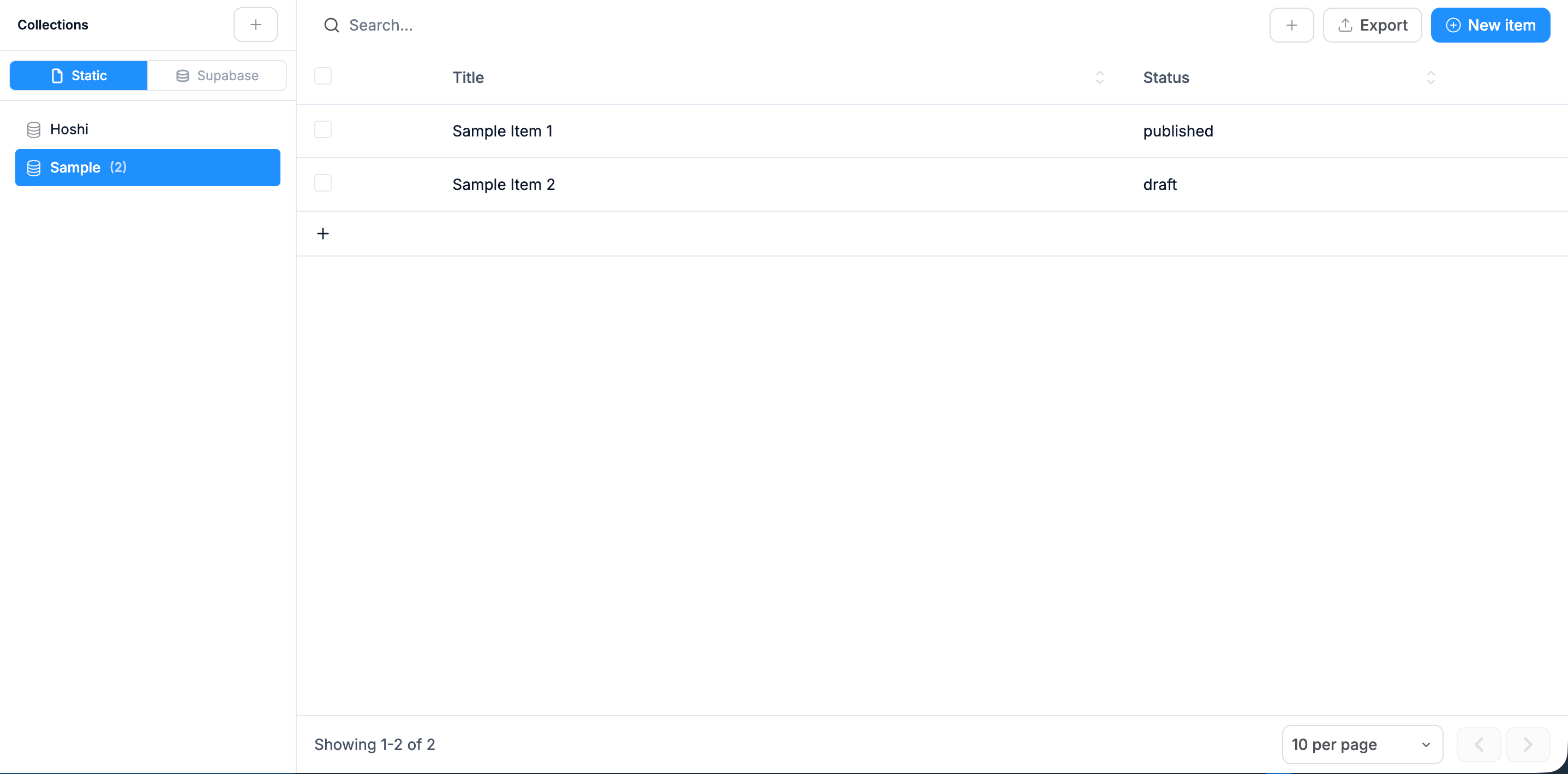
Workspaces, members, roles, billing per tenant. Skip the Clerk/Auth0 per-MAU tax for the auth layer alone.
01 / What you get
Click Generate from the box above. Real code, a real database, real integrations, not a sandbox. Each piece below ships in the first prompt.
Workspaces (tenants) with their own data, members, settings
Role-based permissions: owner / admin / member / viewer per workspace
Invite flow: email invite, accept link, auto-add to workspace
Stripe billing per workspace (not per user) with seat-based pricing optional
Row-level security in Postgres so tenant A never reads tenant B's data
02 / Variants
Databases and CMS that power your live app, no backend to set up.
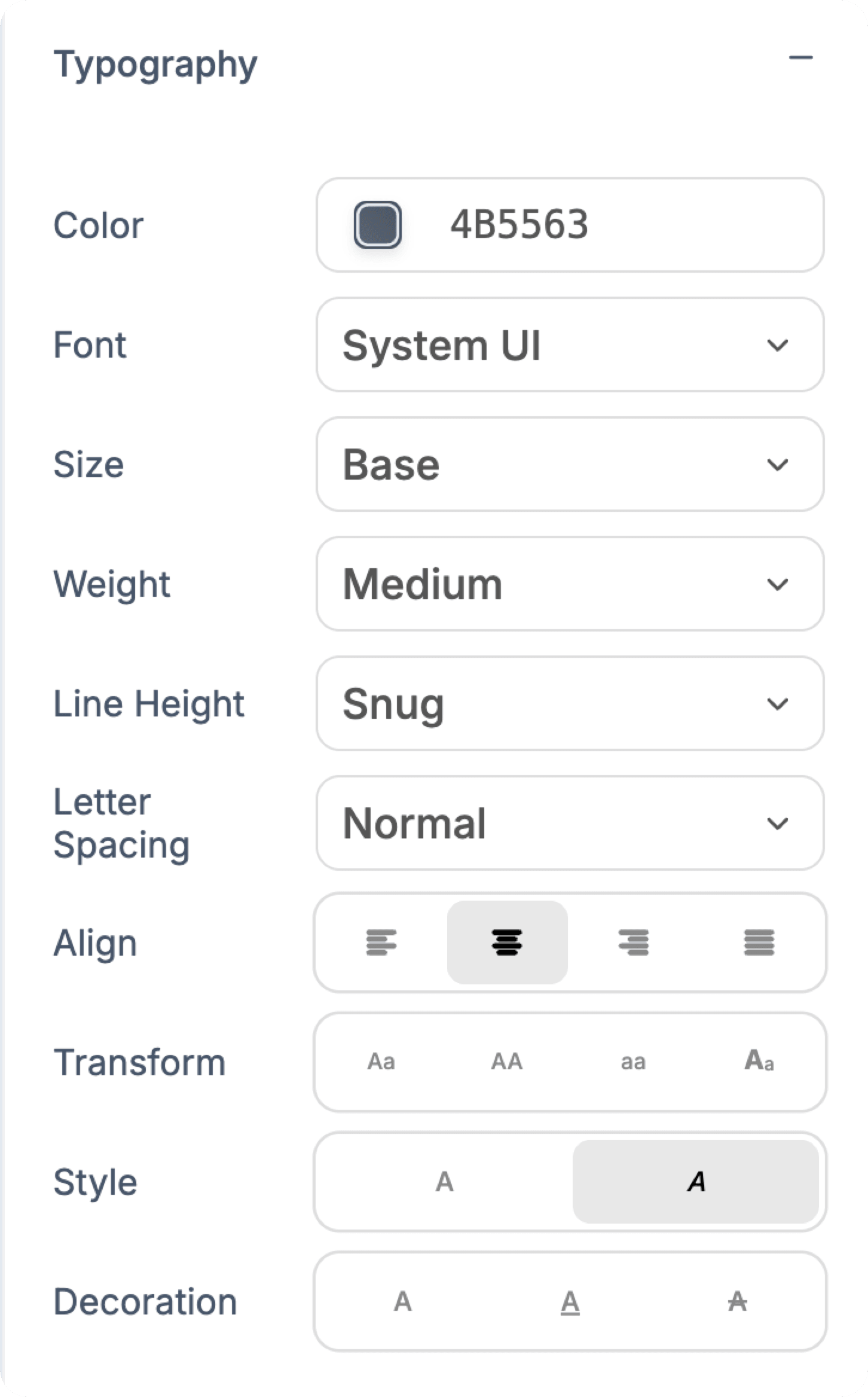
Font, size, weight, leading and spacing, all by hand.
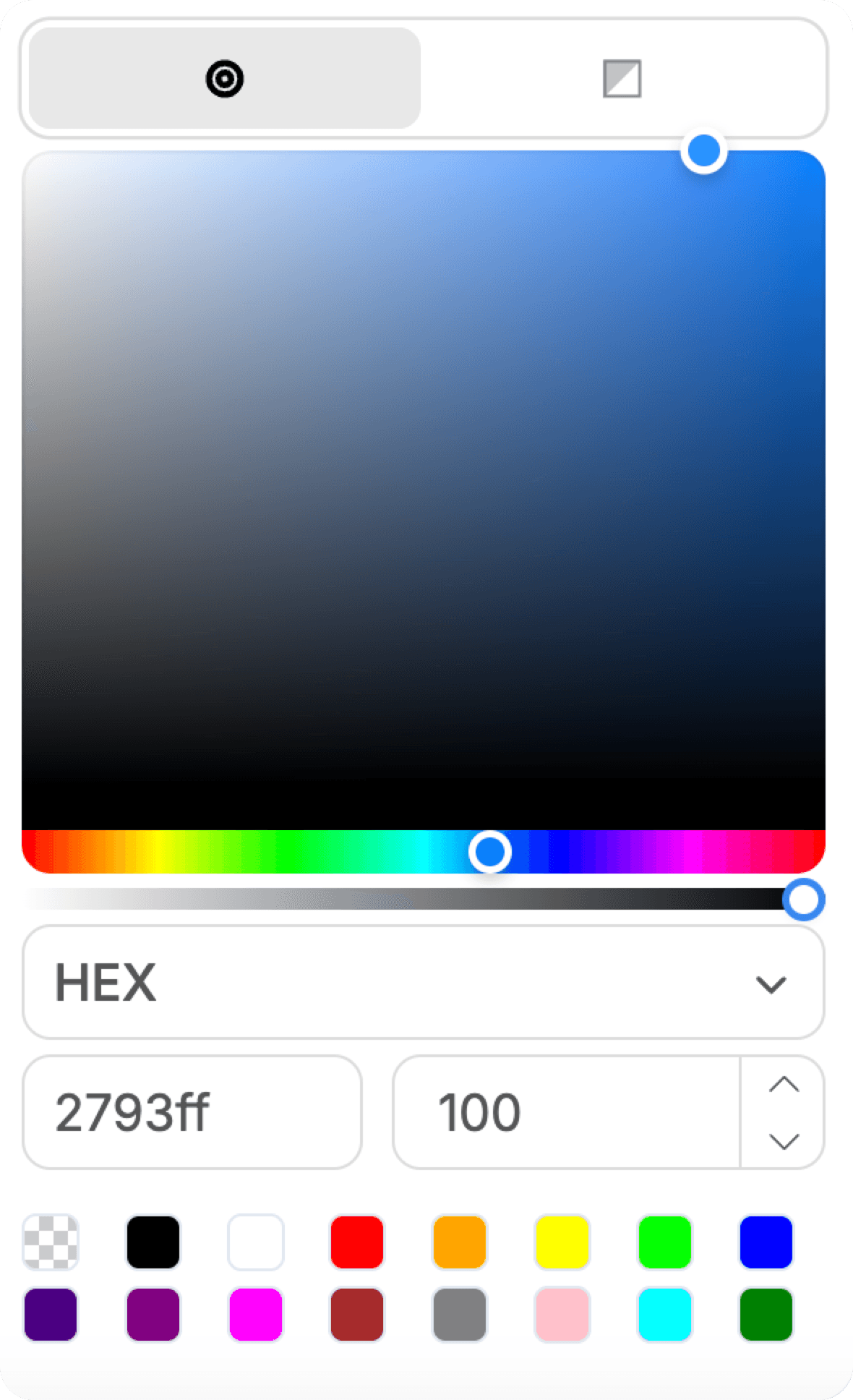
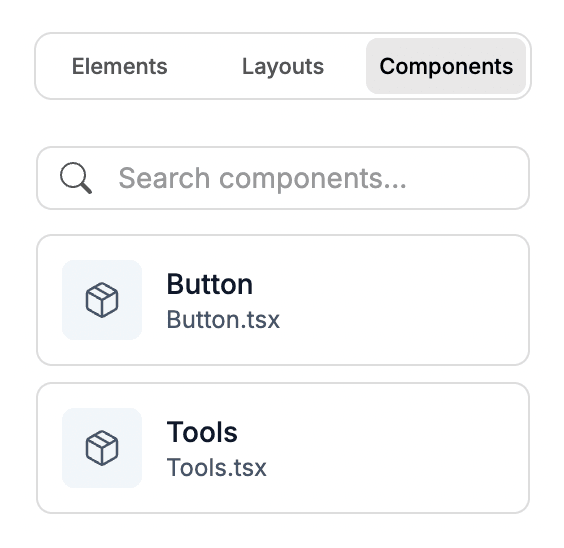
Save any section and drop it in anywhere.
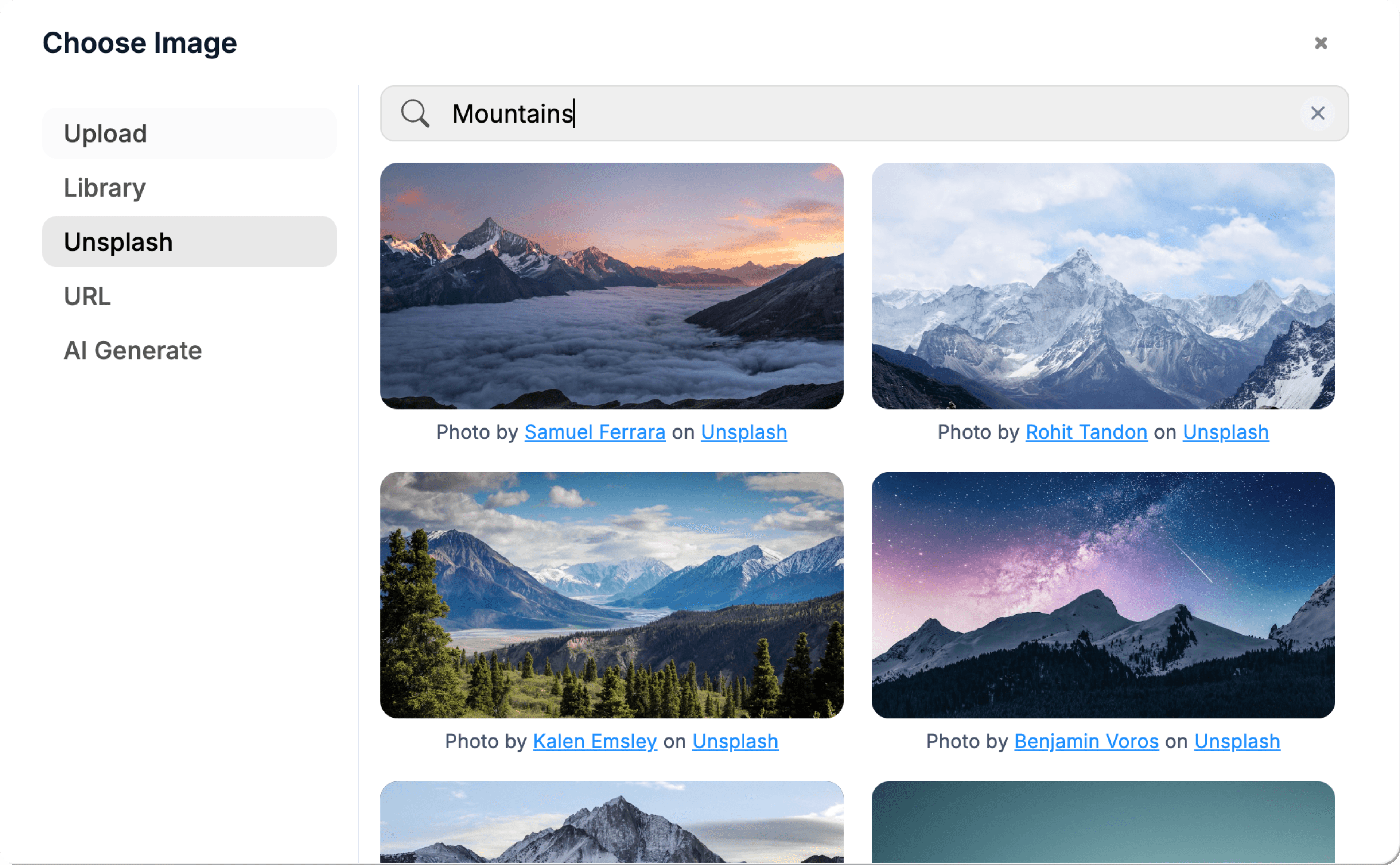
Pull in free imagery without leaving the canvas.
03 / Who it's for
Integrations
Works with the tools you already use.
Payments, database, AI, email and analytics, wired up the moment you connect.










04 / Why generate it
Clerk and Auth0 charge per MAU. Past 10K active users that's thousands a month for auth. Supabase Auth is free up to 50K MAU and self-hostable; WebTwizz scaffolds everything around it.
Multi-tenant security is one of the easiest things to get wrong. Postgres row-level security is the right tool; WebTwizz writes the policies based on the prompt instead of you authoring them by hand.
Everything you need to know before you generate it. Anything else, our team is one email away.
Every row in tenant tables has a workspace_id. Postgres RLS policies check that the requesting user belongs to that workspace before returning the row. Even a SQL injection that bypasses your application layer can't cross tenants because the database refuses.
Owner enters an email + role, an invite row is created with a one-time token. Email goes out via Resend with the accept link. Clicking it auths via Supabase, joins the workspace, deletes the invite. If the email already has an account, they auto-join on next login.
Yes. The user-workspace relationship is many-to-many with a role per pair. The UI shows a workspace switcher in the top bar; switching changes the active workspace and the data shown. Standard B2B SaaS pattern.
Each workspace owns its own Stripe Customer ID and subscription. The owner pays. Member seats may add per-seat charges via Stripe metered if your pricing scales by team size. WebTwizz scaffolds either flat-fee or seat-based.
Keep building
Describe what you want. WebTwizz builds the real thing, then you click to change anything. No code needed.
Get started for free, no credit card needed.